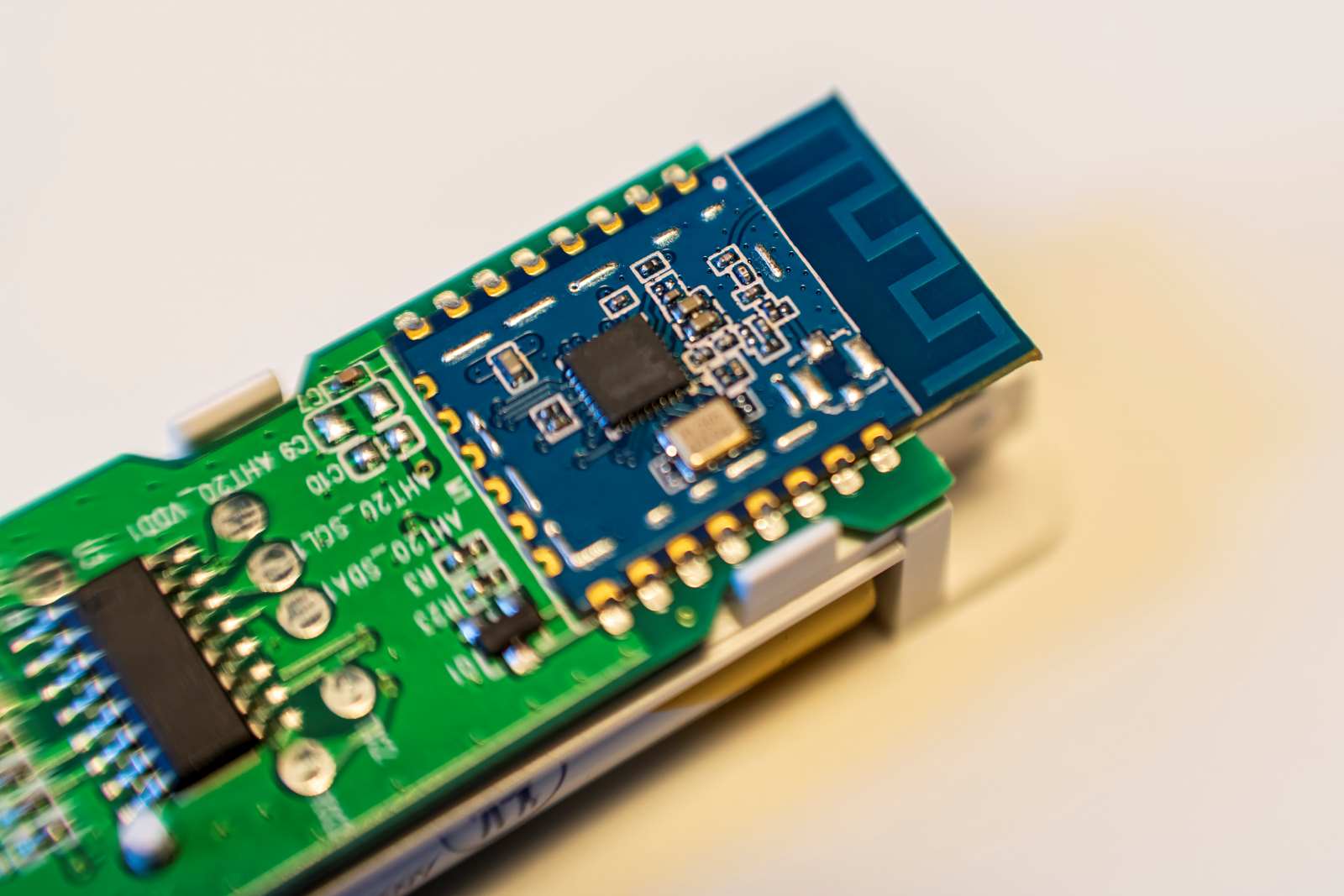

Hardware Ports
Hardware porting refers to the exchange and adaptation of functional ICs (integrated circuits) in an existing system. This typically involves processors or Microcontroller (microcontrollers), as these components frequently need to be updated or replaced. Another common case is the replacement of related communication modules, such as switching from CAN to CAN-FD, RMII to 1-Gigabit Ethernet, or Profibus to Profinet.
Porting projects are relatively unpopular in companies, as they do not represent a functional enhancement or a development milestone, but solely serve to create strategic security and maintain delivery capability. As porting specialists, we explain what is important when exchanging functional hardware.
Refactoring
In many embedded systems, software exists that has been expanded over many years. New features, platform changes, or short-term adjustments often lead to codebases becoming more complex, and original architectural concepts are partially lost. Refactoring refers to the targeted revision of such software structures without altering the functional behavior of the system.
The goal of refactoring is to make existing software more structured and maintainable. This involves reorganizing modules, defining interfaces more clearly, or reducing dependencies between software components. Adapting to current architectural concepts or coding guidelines can also be part of such measures.
Reasons for porting and refactoring
In an increasingly complex global supply chain and with rapid technological developments, companies are increasingly facing the challenge of adapting their embedded systems to new circumstances. Hardware porting offers a way to guard against risks such as supply bottlenecks, technological obsolescence, and rising costs. It helps to future-proof systems in the long term, optimize cost structures, and reduce dependency on specific suppliers.
Switching to alternative components to reduce dependence on specific suppliers and regions.
Adaptation to future requirements and integration of new technologies through more powerful hardware.
More efficient development processes through the use of unified platforms and increased software reusability.
Savings through the use of more cost-effective components and optimization of the Bill of Materials (BoM).
Expanding the supplier base for greater flexibility and resilience against external disruptions.
In the software sector, but also with circuit diagrams and layouts, refactoring and porting measures can significantly increase the long-term viability of the technical solution.
Making Ports Successful
Porting embedded systems requires a structured approach. The goal is to reliably transfer existing functions to a new hardware or software platform while simultaneously defining clear acceptance criteria.
First, the functional building blocks of the existing system are analyzed and translated into concrete requirements. These form the basis for development and validation.
Based on the requirements, test cases are created that serve as acceptance criteria for the project. These are coordinated with and approved by the customer.
Hardware and software development then run in parallel. This includes the selection and integration of new controller hardware, as well as adjustments to Schematics and layout, as well as the driver layer structure and software porting.
Finally, a comprehensive system test is performed. This verifies whether all defined test cases are met and if the system complies with the original requirements. The test forms the basis for the final acceptance.