Platine, Leiterkarte, PCB – many terms, one result.
There are many terms for what we are developing.
PICKPLACE develops electronics for companies that need more than just a layout: robust hardware, clean interfaces, traceable decisions, and a result that fits into the later system.
Whether it's a new circuit board, redesign, porting, or a complete electronic assembly: we handle hardware development from concept to commissioning.
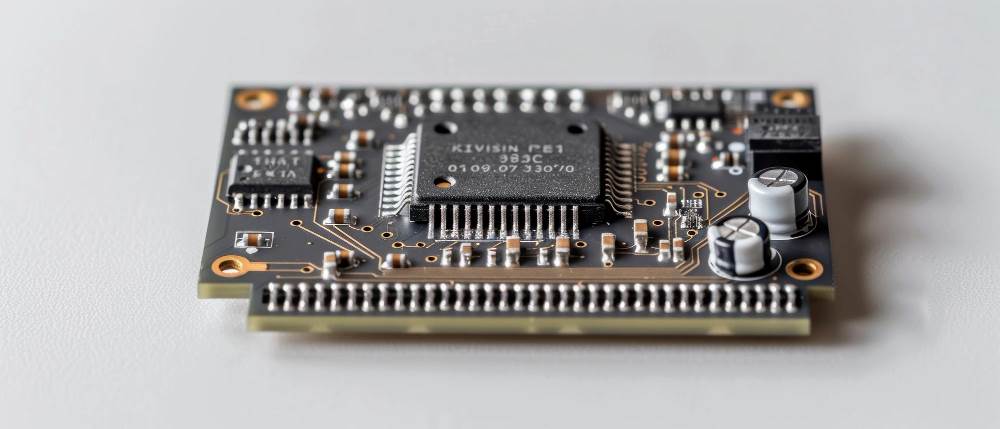
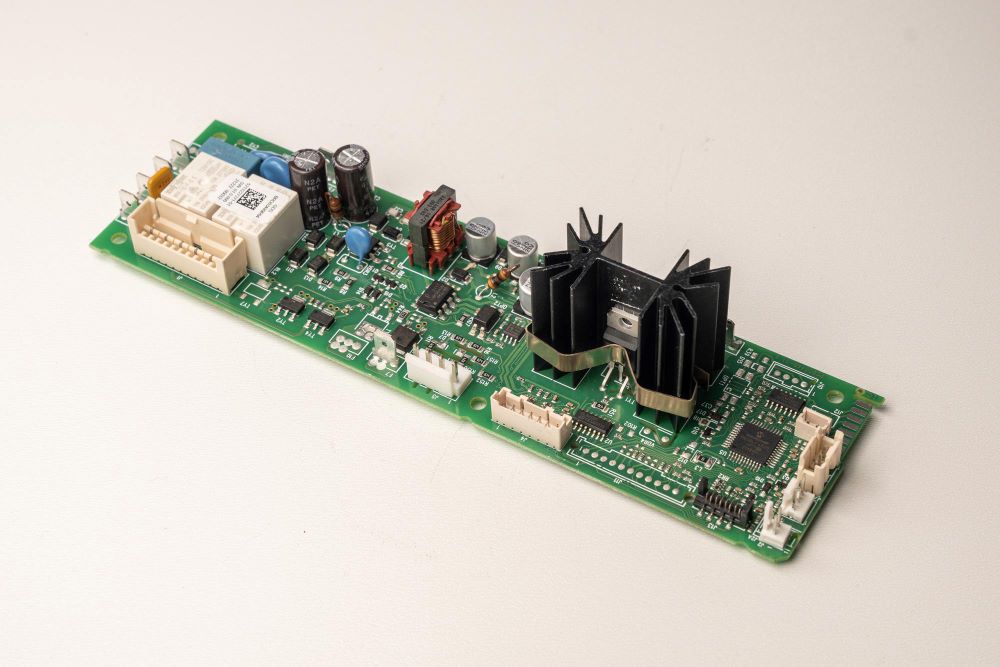
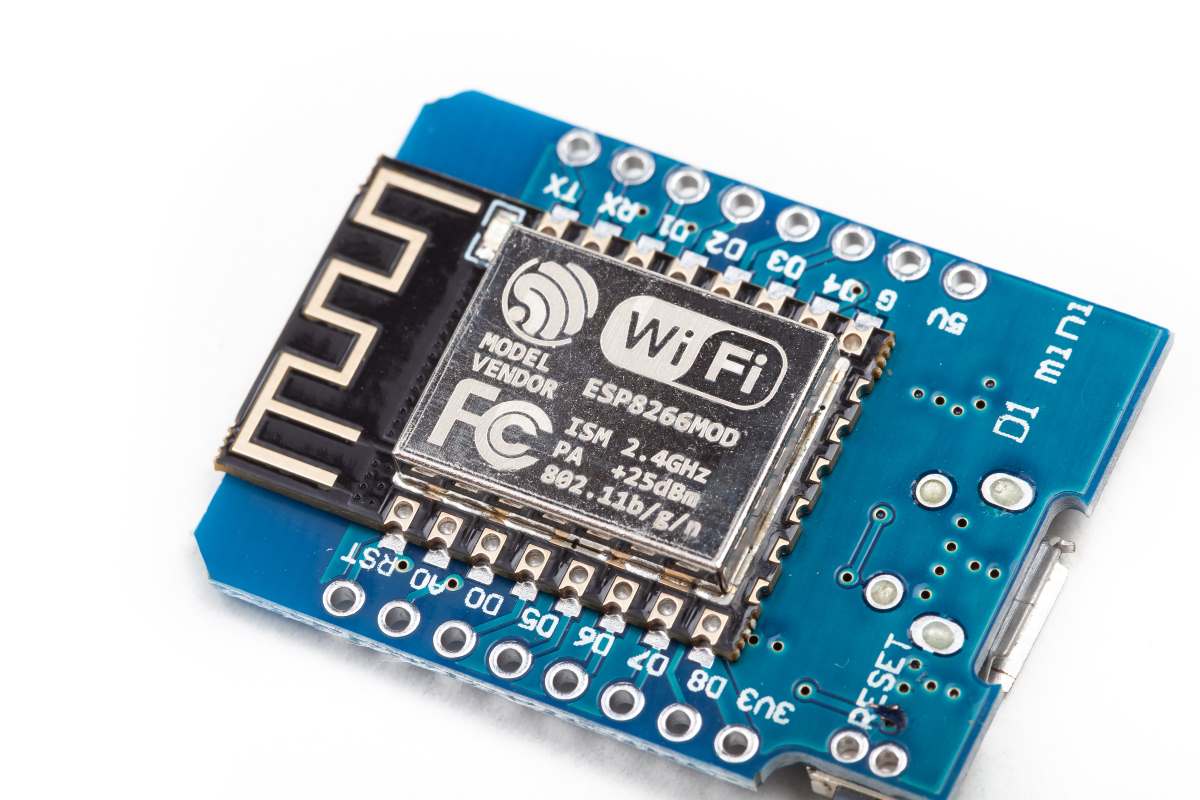
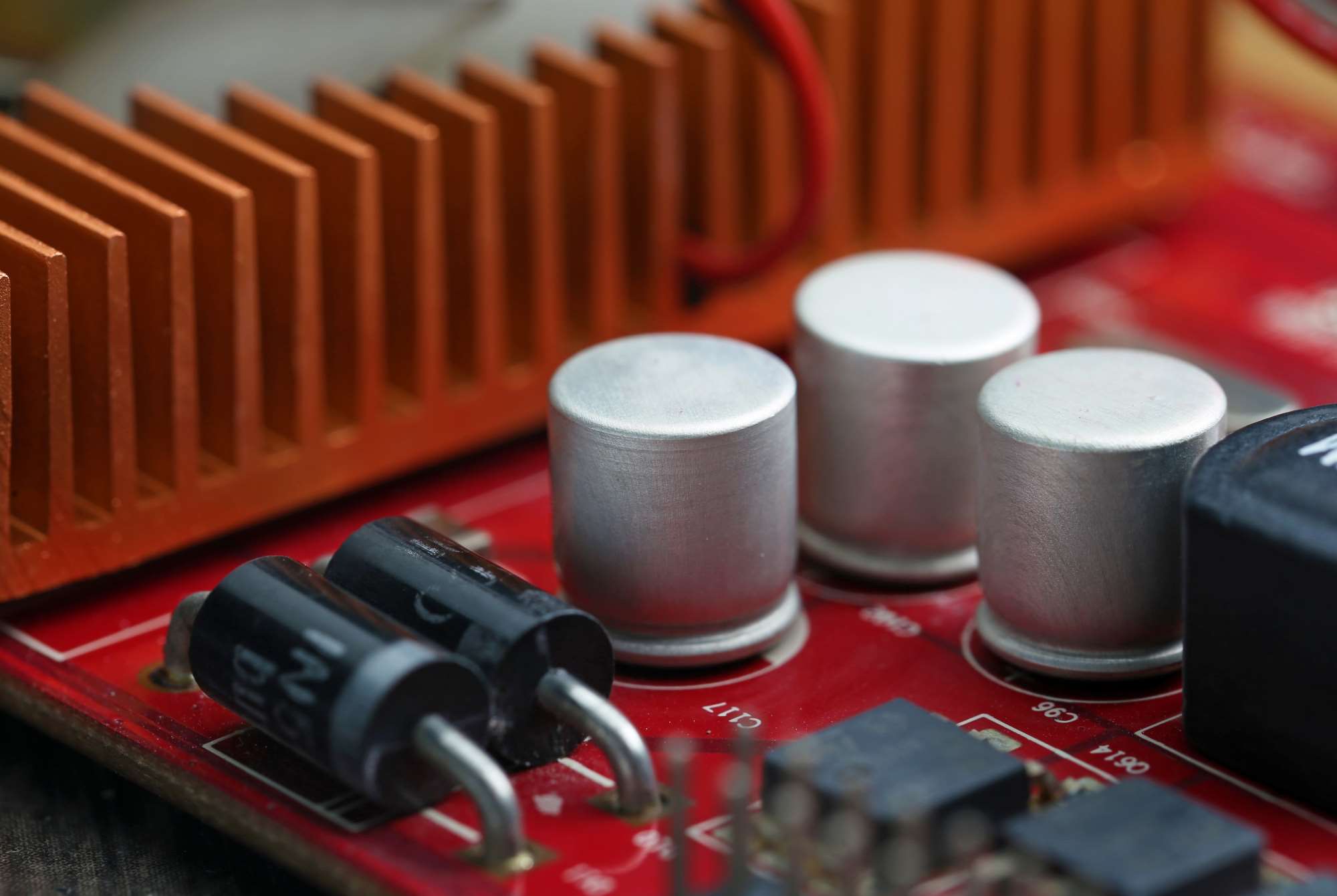
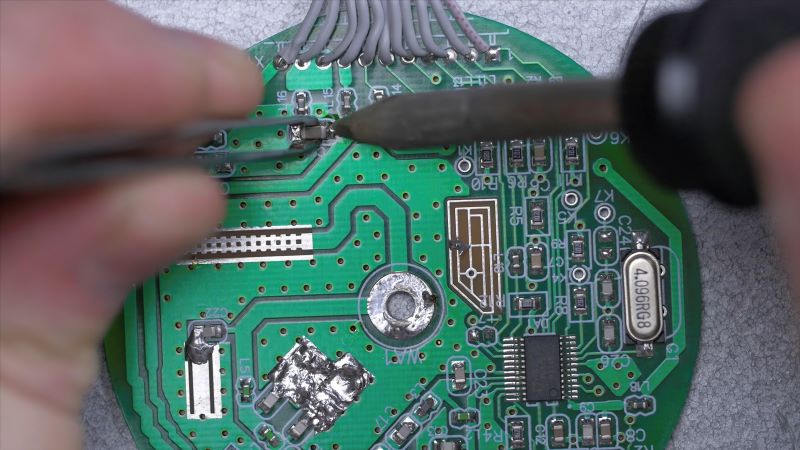
The circuit board at the center of our work
When talking about electronics development, people often use different terms:
This doesn't always mean the same thing. Sometimes it refers only to the bare substrate with copper layers. Sometimes it refers to the assembled module. Sometimes it refers to the complete electronic subsystem, including firmware, testing, enclosure integration, and regulatory compliance requirements.
For us, it's crucial to know which technical problem needs to be solved.
What circuit boards mean to us
A printed circuit board is rarely just a printed circuit board. It is part of a system.
It connects sensors, actuators, programmable chips, memory, power supplies, communication, protection circuits, and mechanical interfaces. It must be produced, assembled, tested, commissioned, and later often kept available for years.
That's why we don't view PCB development in isolation as a layout task, but as an engineering process.
Architectural decisions made at the very start of a project influence subsequent EMC and testability, Obsolescence, Cyber Security, Manufacturing, and Maintainability. The selection of a microcontroller not only changes the software basis but also the power supply, memory architecture, communication interfaces, security mechanisms, and supply chain risks.
Services
PICKPLACE develops electronics for companies that need more than individual layout services. We support projects from the initial architectural concept to commissioning, analysis, revision, and porting of existing platforms.
Our services range from traditional PCB design to more complex embedded systems featuring sensors, communication interfaces, FPGA components, safety mechanisms, and Embedded Software.
Hardware Design and Architecture
We develop hardware architectures for microcontroller, MPU, and FPGA-based systems. In doing so, we consider communication interfaces, power supply, security mechanisms, platform strategies, and technical constraints early in the development process.
Schematic Diagrams and Component Selection
We create circuit diagrams, select components, and document technical decisions. In doing so, we consider not only functionality but also procurement, risk, testability, and later modifyability.
PCB Layout and Routing
Our products are designed for easy integration, ensuring a smooth transition and immediate productivity.
Control units and ECUs
We develop embedded hardware for control units, communication modules, sensor platforms, and industrial electronics. Our systems range from compact microcontroller solutions to more complex embedded computing platforms.
Sensor Technology and Measurement Systems
We develop electronics for sensor technology, analog front-ends, and measuring systems. This includes data acquisition, signal conditioning, high-resolution measurement chains, and the processing of physical quantities in embedded systems.
Safety and Cybersecurity
We support with hardware architectures requiring Functional safety and Cyber Security. These include secure communication concepts, hardware hardening, secure boot mechanisms, and the technical separation of security-relevant functions.
Commissioning and Revisions
After manufacturing, we support commissioning, troubleshooting, measurements, and technical revisions of existing hardware. Findings from tests and analyses are systematically fed back into the further development of electronics.
Redesign and porting
A circuit board is defined by regular overhauls. We help companies with the technical modernization of existing electronics. This includes controller porting, replacement strategies for discontinued components, platform migrations, and the adaptation of existing hardware and software configurations.
Obsolescence Management
We help companies manage component end-of-life, platform transitions, and the long-term availability of electronic systems. For each circuit board, this includes technical replacement strategies, redesigns, porting, and the evaluation of existing hardware architectures.
Automotive electronics
Industrial electronics
ELECTRONICS FOR DEFENSE & MILITARY
Electronics for railway technology
Electronics development differs massively depending on the industry. An industrial controller has different requirements than a Control unit In the vehicle. A safety switch in mechanical engineering differs fundamentally from electronics for railway or defense applications. Differences arise from temperature ranges, vibration, lifespan, EMC, cyber security, functional safety, approvals, power supply, redundancy requirements, and environmental conditions.
PICKPLACE develops your circuit board for various technical domains – from sensor technology to control units.
PCB, PCBA, or embedded system – what's the difference?
In electronics development, many terms exist for electronic systems and assemblies. Depending on the industry, company, or technical background, developers, buyers, or project teams refer to them as boards, circuit boards, PCBs, PCBA, or embedded systems.
The terms partially describe the same thing, but in part relate to different technical levels – from the bare carrier material to the complete electronic system, including software and communication.
Especially in industry, automotive, railway, aerospace, or defense, precise technical classification is relevant because it derives requirements for manufacturing, EMC, cybersecurity, functional safety, maintainability, and long-term availability.
Assembly
What is a circuit board? The term „circuit board“ is often used colloquially and usually describes the complete electronics within a device or system.
Depending on the context, this can refer to both the bare printed circuit board and the assembled electronic module. In many companies, this term is therefore used as a general umbrella term for electronic hardware.
Typical examples include control units, sensor modules, communication modules, or power supplies.
Circuit board / Printed circuit board
Circuit board or printed circuit board technically more precisely describes the physical basic element of electronic systems.
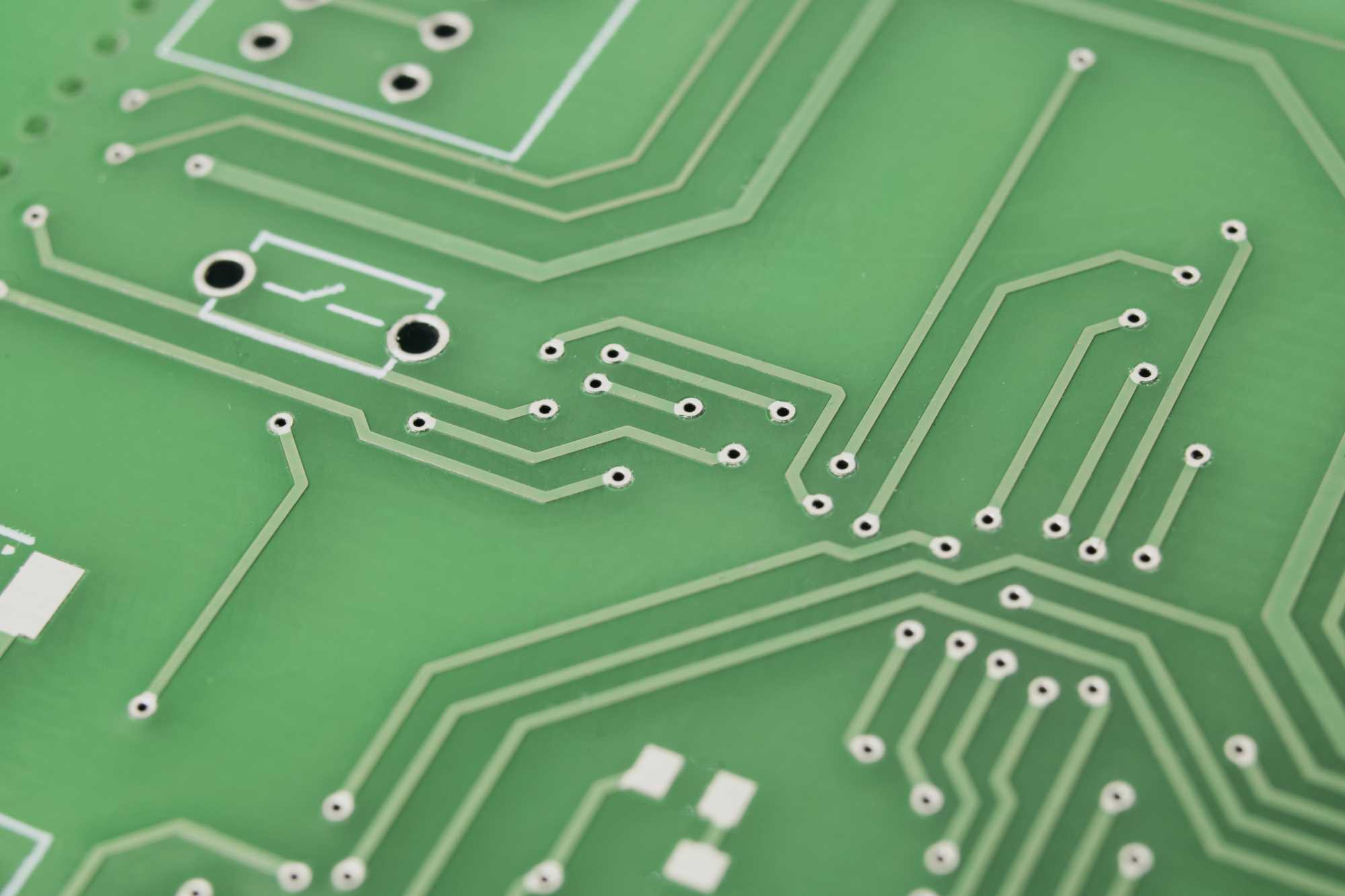
The printed circuit board consists of copper layers, conductive traces, drill holes, pads, vias, solder masks, and mechanical structures. It connects electronic components electrically and mechanically, forming the foundation for any subsequent assembly.
Depending on the application, simple two-layer PCBs or complex multilayer PCBs with controlled impedances, high-speed signals, BGA components, and special EMC requirements are created.
PCB
PCB stands for „Printed Circuit Board“ and is the internationally used technical term for circuit board.
In international development projects, the terms PCB design, PCB layout, or PCB development are most commonly used. EDA tools, manufacturing documents, and technical documentation also predominantly use the term PCB.
Printed Circuit Board Assembly
PCBA stands for „Printed Circuit Board Assembly“ and describes a fully populated circuit board including electronic components.
The PCBA includes, but is not limited to Microcontroller, Memory modules, communication interfaces, power supplies, sensors, connectors, and protection circuits.
The PCBA thus forms the actual functional electronic unit within a product or technical system.
Hardware
The term hardware encompasses much more than just the circuit board itself.
This includes electronic circuits, components, power supply, communication interfaces, mechanical integration, safety mechanisms, test points, as well as the connection to firmware and software.
In modern electronics projects, hardware and software therefore do not arise separately from each other, but as a common overall technical system.
Embedded System
An embedded system is a specialized electronic system composed of hardware and software, designed for defined technical tasks.
Embedded systems can be found today in industrial plants, vehicles, measurement systems, railway technology, medical technology, sensor platforms, and military applications, among others.
Typical components of an embedded system are microcontrollers, microprocessors, FPGA components, memory, communication interfaces, sensors, actuators, and embedded software.
Depending on the application, simple microcontroller systems or complex embedded computing platforms with real-time processing, sensor fusion, cybersecurity mechanisms, and functional safety concepts are created.
Modern embedded systems must also meet requirements for EMC, diagnosability, long-term availability, maintainability, and obsolescence management.
Tools and Development Environments
The development of modern electronics consists not only of Circuit diagram and PCB layout. Different projects require different toolchains for hardware development, embedded software, FPGA design, simulation, testing, and commissioning.
PICKPLACE works with established development environments and tools in the areas of embedded systems, PCB development, FPGA development, test automation, and software integration.
This includes, among other things, tools for:
- PCB layout and circuit board development
- Embedded Software in C and C++
- FPGA and SoC Development
- Real-time operating systems
- Hardware debugging and commissioning
- Software Testing and Test Automation
- Version control and CI/CD
- Embedded Linux and Yocto
- Measurement and laboratory technology
- Network and Automotive Communication
Typical technologies include EDAs such as Altium Designer, Autodesk Eagle or Pulsonix.
Boards, PCBs, and more.
Request for projects
Are you planning an electronics project, facing a technical challenge, or need assistance with implementation? Briefly describe your request – we'll get back to you.