Functional Safety, AI & Vibe Coding: When in doubt, better to avoid!

How should we assess the interplay of functional safety and AI? A detailed look at a complex situation.
How should we assess the interplay of functional safety and AI? A detailed look at a complex situation.

While functional safety doesn't require an RTOS as a prerequisite, an RTOS becomes technically advisable when scheduling, task separation, resource management, stack monitoring, or partitioning become part of the safety case.

„Does an embedded system have an architecture? Yes, always. Regardless of whether it is “good„ or “bad.„ This is why refactoring and porting projects often begin with documenting the embedded system's architecture. It plays a central role in the hardware and software view of...

Many technology companies invest a significant portion of their development resources in activities that create little differentiation for the actual product. For many decision-makers, it is therefore already clear today: outsourcing embedded systems is not a disgrace, but a success factor for products with a high...
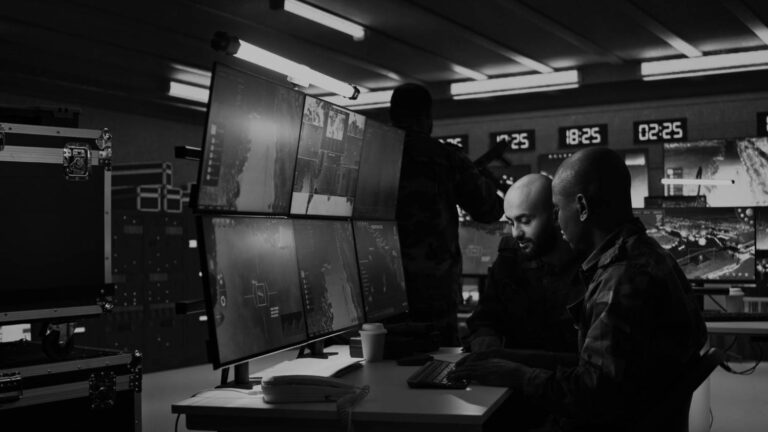
The term Software Defined Defence (SDD) currently dominates the strategic centers of defense contractors and armies and describes an approach in which military capabilities are primarily defined and further developed by software. Instead of achieving upgrades mainly through new hardware, the...

Since the adoption of the Cyber Resilience Act (CRA), many manufacturers and suppliers have been wondering how seriously the European Union intends to implement this new regulation. Will it ultimately remain mere lip service – or will there actually be a...
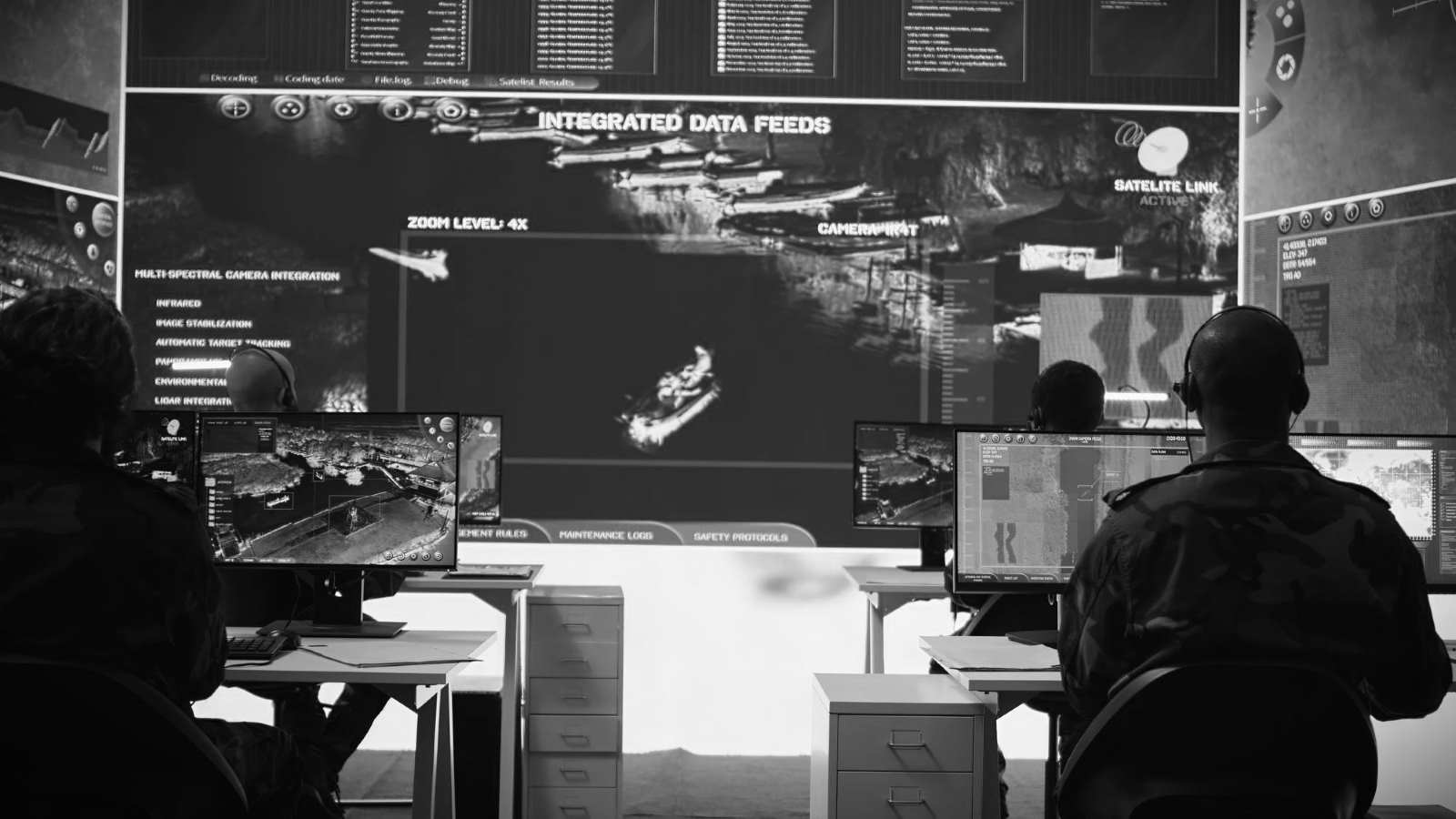
MIL-STD-498 (Military Standard 498) is a U.S. military standard for software development and documentation, published in 1994. It was developed to replace the previous, sometimes separate, software standards DOD-STD-2167A, DOD-STD-2168, DOD-STD-7935A, and DOD-STD-1703. The goal was to establish uniform requirements for...