Category: Military and Defense

Requirements for Service Providers and Development Partners in the Defense Industry
The development of defense electronics and electronic defense systems is subject to special regulations. Companies that want to act as electronic development partners for defense or as technological development partners for the German Armed Forces or a NATO partner must meet strict criteria. B2B buyers and technical decision-makers in the defense and security industry pay attention...


ITAR & Electronics: Critical Components and Dual-Use

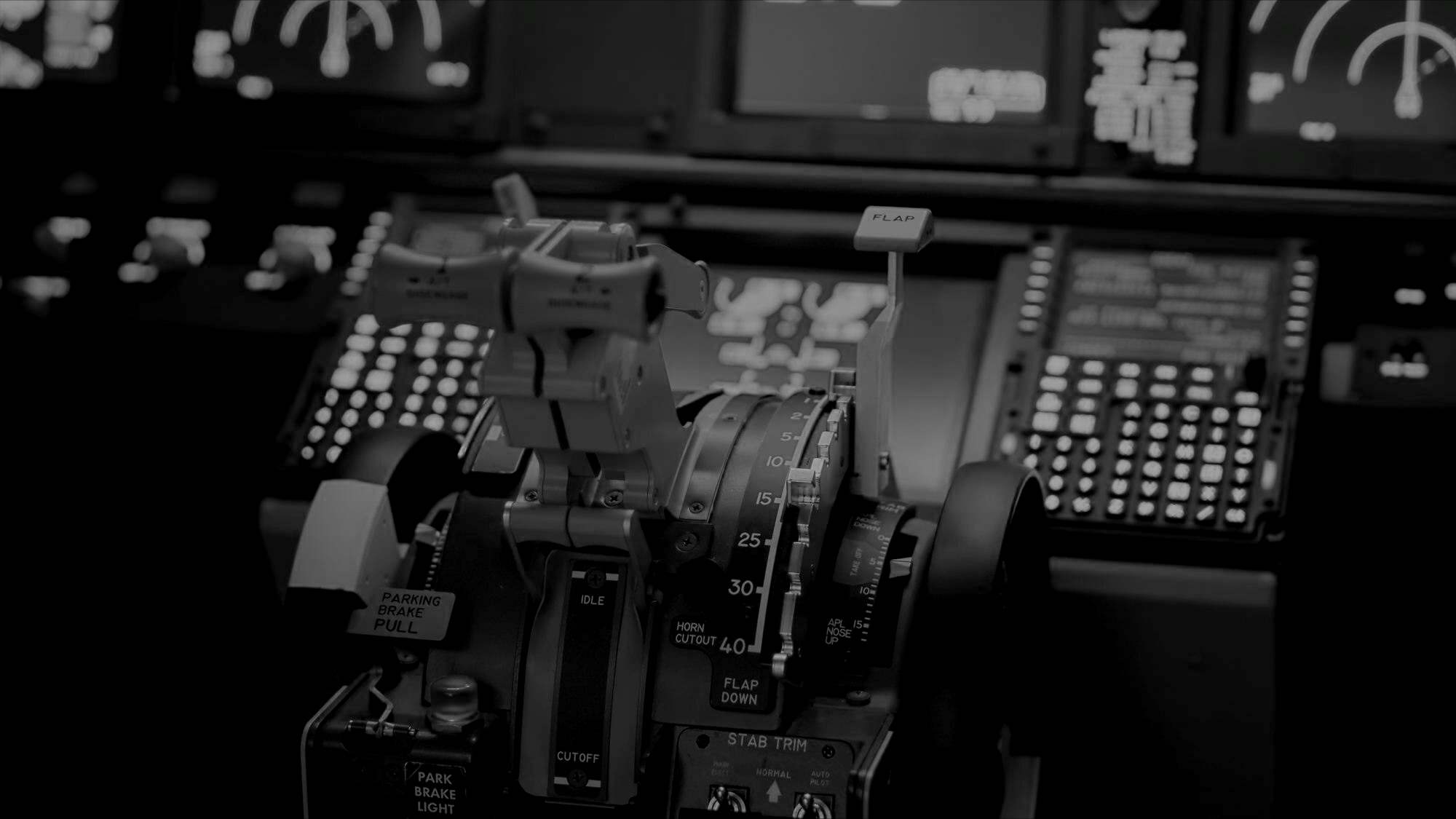
Airplane cockpit with instrument displays and manual controls; example of embedded hardware in electronics systems.

Especially in the military sector, electronics development is subject to strict regulatory requirements. Two of the most important U.S. regulations are the International Traffic in Arms Regulations (ITAR) and the Defense Federal Acquisition Regulation Supplement (DFARS). „ITAR electronics“ therefore means that the electronics contain components that are subject to ITAR rules. They…

Software-Defined Defense – Explained Simply

Control room with multiple monitors; team working at terminals, focus on embedded software and cybersecurity.

The term Software Defined Defence (SDD) currently dominates the strategic centers of defense contractors and armies and describes an approach in which military capabilities are primarily defined and further developed by software. Instead of achieving upgrades mainly through new hardware, the...

Why MIL-498 (MIL-STD-498) is still relevant

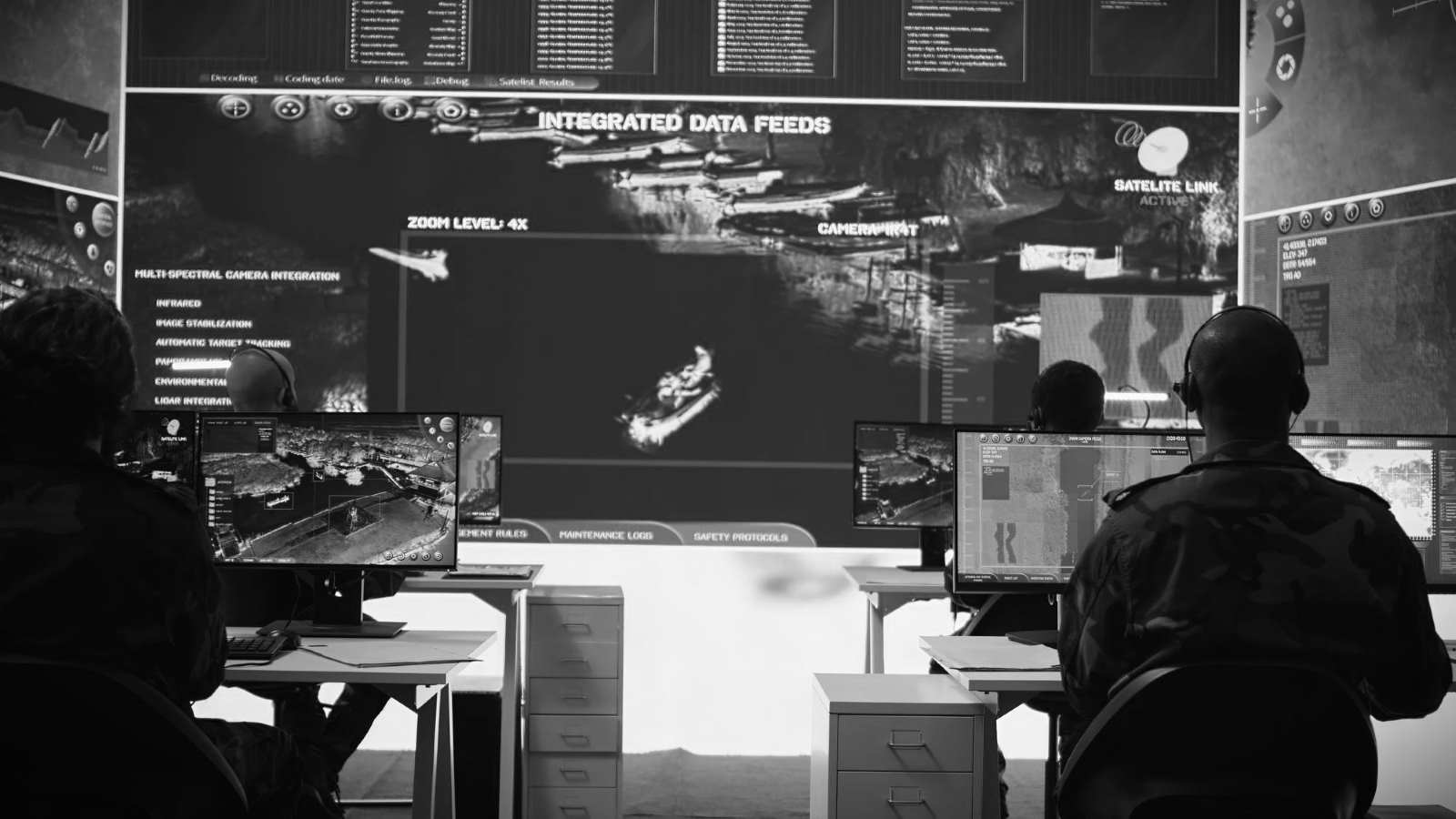
Military control room with a large screen and multiple workstations; focus on embedded software and cybersecurity.

MIL-STD-498 (Military Standard 498) is a U.S. military standard for software development and documentation, published in 1994. It was developed to replace the previous, sometimes separate, software standards DOD-STD-2167A, DOD-STD-2168, DOD-STD-7935A, and DOD-STD-1703. The goal was to establish uniform requirements for...

Competency Profile of Service Providers for Embedded Systems in Armaments and Defense

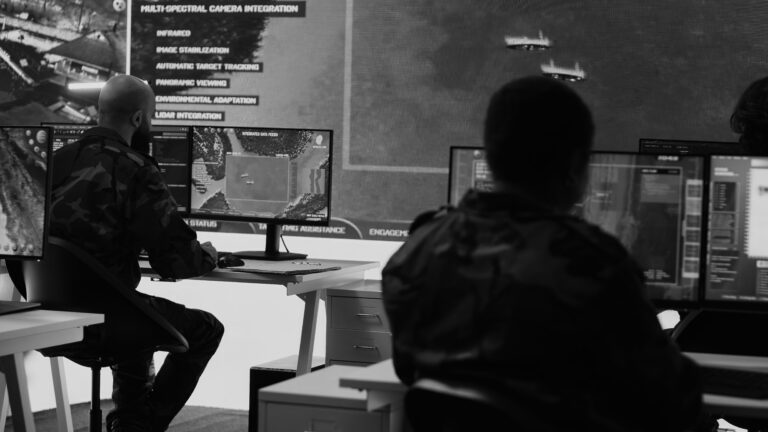
Workstation with multiple monitors and large screen displays monitoring data – embedded software and electronics

What must an electronics service provider for defense be capable of? Electronics are a central component of modern military systems. Sensor technology, communication systems, control units, autonomous platforms, or electronic countermeasures are based on highly integrated hardware and software. Companies that work as development partners for such systems must therefore…